
A good label should do more than look good on day one. It needs to stay readable, secure and useful for the life of the product, equipment or asset.
In industrial and outdoor environments, labels can be exposed to UV, heat, chemicals, cleaning, salt air, abrasion, handling and weather. If the wrong material or fixing method is used, the label can fade, peel, scratch or become difficult to read.
So, what actually makes a label last?

1. The Right Material
Durability starts with choosing the right material for the environment.
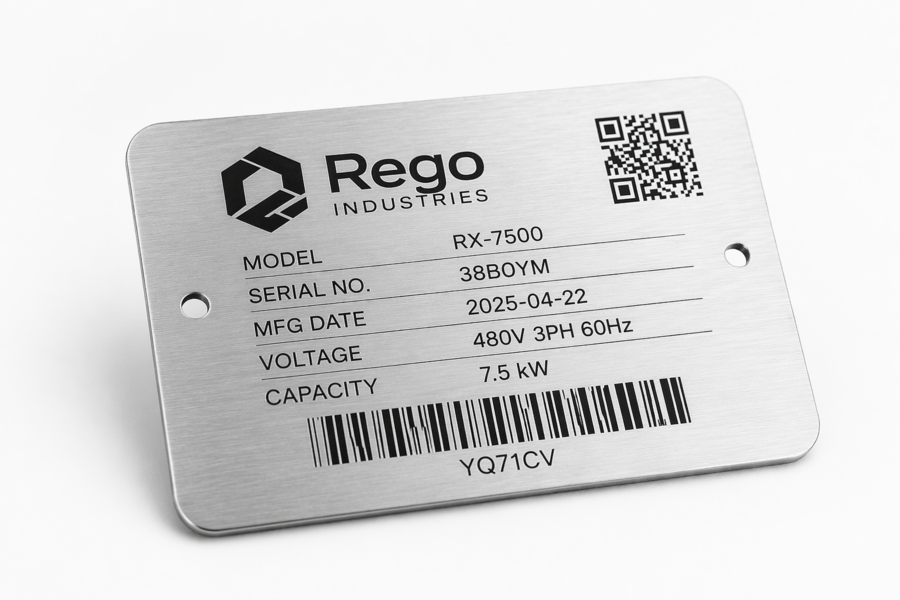
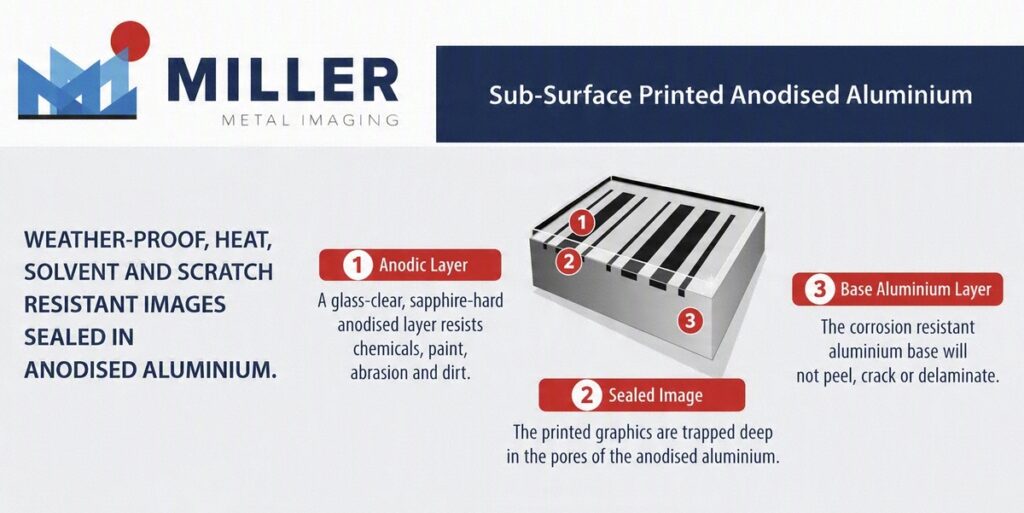
For long-term labels, equipment labels, barcodes, QR codes and compliance plates, Photo Anodised Aluminium is a strong option. The print is embedded into the aluminium and sealed within the anodised layer, helping protect the information from wear, weather, UV exposure, chemicals and abrasion.
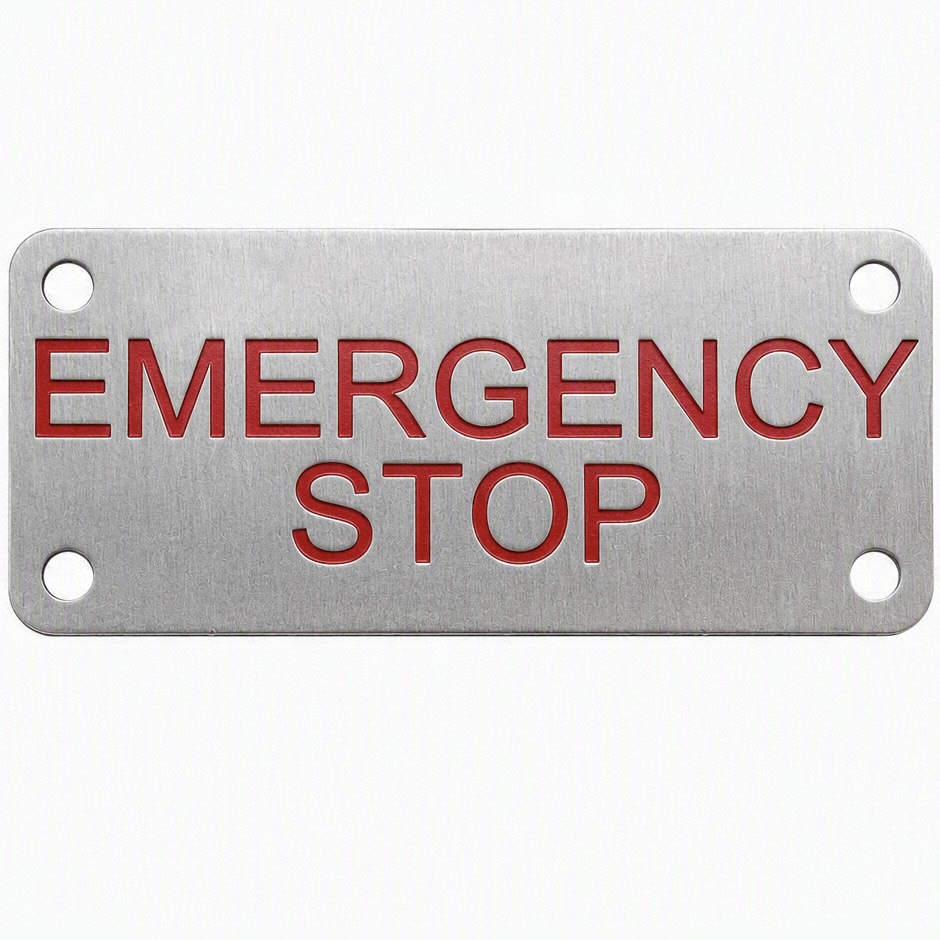
For heavier-duty applications, Stainless Steel tags and plates may be preferred where extra strength or impact resistance is required.
The best material depends on where the label will be used, what it will be exposed to and how long it needs to last.
2. A Print Method That Protects the Information
A durable label is only useful if the information remains readable.
Surface-printed labels can wear down over time, especially in outdoor, industrial or high-use environments. With Photo Anodised Aluminium, the image is not sitting on top of the surface. It is sealed within the metal, helping protect text, logos, serial numbers, barcodes and QR codes.
For Stainless Steel labels and tags, the information is marked directly onto the metal surface, creating a strong, hard-wearing finish suitable for heavy-duty applications where strength and durability are key.
Both options can be used for long-term identification. The right choice depends on the environment, the level of detail required and how the label will be used.
3. The Right Fixing Method
Even the most durable label can fail if it is not attached properly.
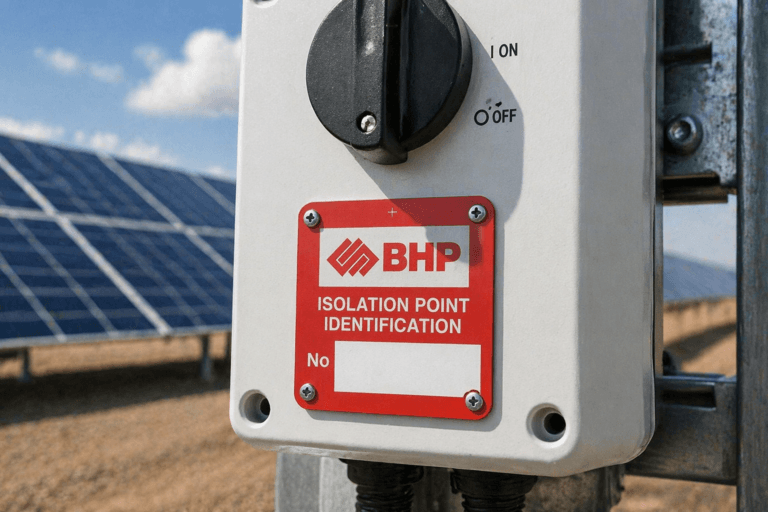
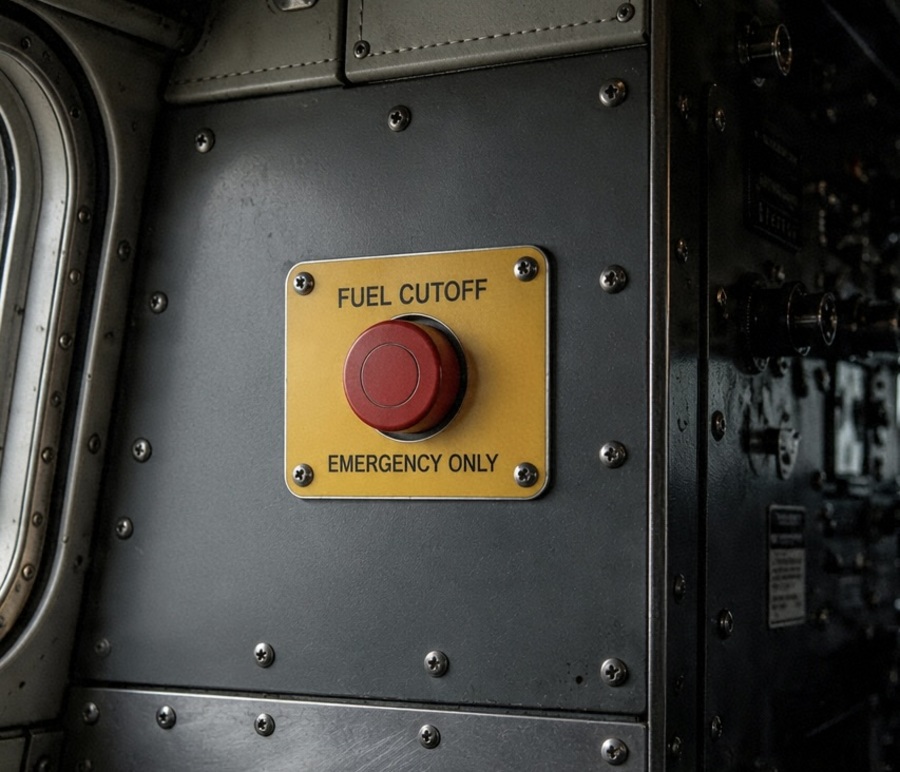
Adhesive backing can work well for clean, smooth surfaces where a low-profile finish is needed. Holes may be better for labels that need to be fixed with screws, rivets or wire, especially on machinery, tools, outdoor equipment or harsher working environments.
Miller can produce labels with industrial strength adhesive backing, fixing holes or both, depending on the application.
4. Designed for the Real Environment
Not every label needs to survive the same conditions.
A label used inside an office will have different requirements to a label on mining equipment, solar infrastructure, marine assets, manufacturing machinery or medical equipment that needs regular cleaning.
The key is to choose a label that is made for the way it will actually be used.


Built to Stay Readable
At Miller Metal Imaging, we manufacture custom metal labels, tags and plates for long-term identification.
Options include Photo Anodised Aluminium, Stainless Steel, full-colour print, sequential numbering, barcodes, QR codes, adhesive backing and fixing holes.
Our solutions are:
Need labels made for your environment? Contact Miller Metal Imaging today for a quote.
Contact Us today
📞 Phone: 02 6685 5463
📧 Email: info@millermetalimaging.com
Follow us on Social Media: